LongHorn Ribeye
Review (2026): Price, Calories & Is It Worth Ordering?
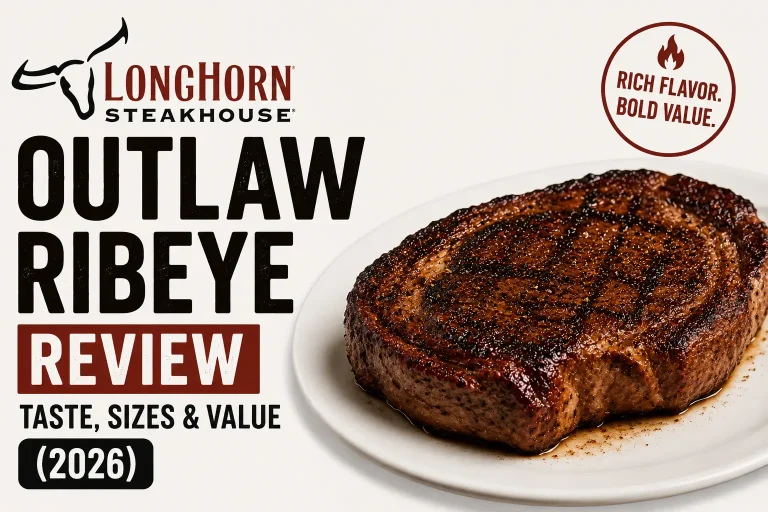
The LongHorn Ribeye is a 12 oz boneless cut, seared on a flat-top griddle and seasoned with LongHorn’s signature spice blend. It costs approximately $25–$29 depending on location and delivers around 810 calories.
It’s LongHorn’s best-selling steak — well-marbled, consistently cooked, and the most approachable ribeye on the menu for diners who want bold beef flavor without committing to a 20 oz bone-in cut.
What Is the LongHorn Ribeye?
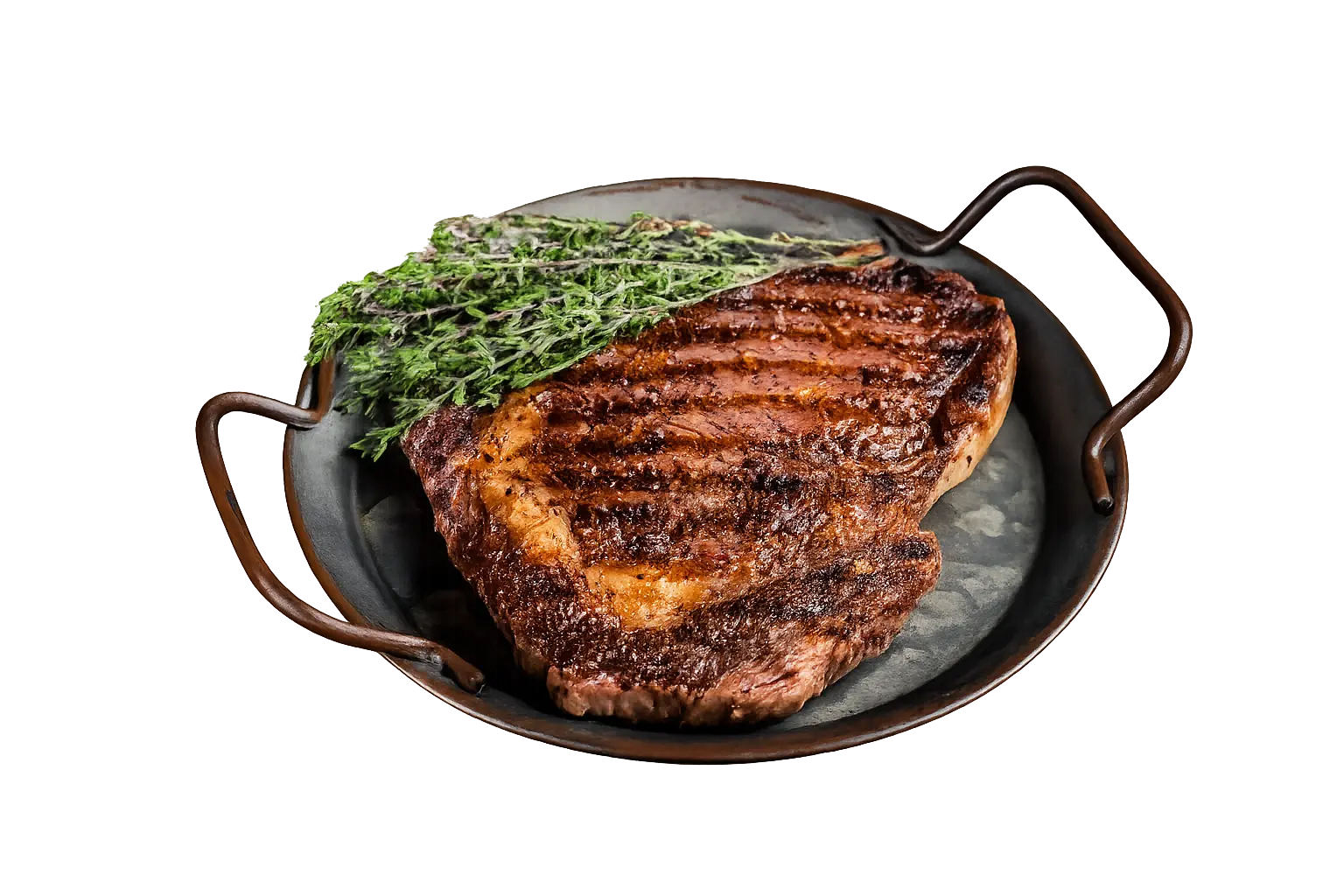
The LongHorn Ribeye is a 12 oz boneless cut from the rib section — the part of the cow with the highest concentration of intramuscular fat. That marbling is what separates ribeye from sirloin: as the steak cooks, the fat renders into the surrounding muscle rather than pooling on the surface, producing a depth of flavor leaner cuts can’t match.
LongHorn cooks this cut on a flat-top griddle, not an open flame. The result is an even, all-surface crust produced through the Maillard reaction — controlled and consistent, but without the smoky char that fire-grilling delivers. The seasoning is applied before the sear and runs noticeably heavy, which is the single most important thing to know before you order.
LongHorn Ribeye Price
|
Steak |
Weight |
Price (Approx.) |
|
Flo’s Filet® |
6 oz / 9 oz |
From $25.99 |
|
LongHorn Ribeye |
12 oz |
$25–$29 |
|
New York Strip |
12 oz |
$25–$30 |
|
Fire-Grilled T-Bone |
18 oz |
Varies |
|
20 oz |
$33–$36 |
The price sits between $25.79 and $28.99 depending on location. Regional variation is real — expect to pay more in major metro areas than in the Southeast.
longhorn steakhouse ribeye Calories and Nutrition
The 12 oz ribeye contains approximately 810 calories — for the steak alone, before any sides.
|
Nutrient |
Amount (12 oz) |
|
Calories |
~810 |
|
Protein |
~66g |
|
Fat |
~54g |
|
Carbohydrates |
~4g |
|
Sodium |
~670mg |
The macros split roughly 63% fat and 35% protein. High fat content is expected on a well-marbled ribeye — that’s not a flaw, it’s the mechanism behind the flavor. Sodium at 670mg reflects the seasoning application and is worth noting for anyone watching intake. These figures are estimates; LongHorn’s final numbers vary by location, finishing butter, and seasoning weight.
How LongHorn Prepares the Ribeye
LongHorn’s flat-top preparation is the reason this steak is consistent across hundreds of locations. Open-flame grilling produces better char but more variability; a flat-top removes the variable of uneven heat and flare-ups.
The process: the steak is coated in LongHorn’s spice blend, seared on the flat-top until a crust forms across the full surface, finished with a pat of butter, then rested briefly before plating. The butter application is subtle — it adds a quiet richness without making the seasoning louder. The rest step matters: skip it and the juices run on the first cut, leaving a drier bite than the marbling would suggest.
What Does it Actually Taste Like?
At medium rare, the Ribeye lands where it should: the crust has a caramelized, peppery snap, the interior is warm and yielding, and the fat has distributed evenly through the muscle rather than sitting in visible white pockets. It tastes like a properly cooked ribeye — not transcendent, but honest.
The legitimate criticism is seasoning weight. The spice blend hits harder on the boneless ribeye than on the bone-in Outlaw, and on a steak that’s even slightly underdone, the pepper registers before the beef does. On a properly cooked one, the seasoning amplifies rather than masks. This is where the flat-top’s consistency helps — a correctly executed version of this steak is what most reviewers are describing when they call it the best casual dining ribeye at this price.
Is it Worth Ordering?
For a casual dining ribeye, yes — and the best-seller status isn’t marketing, it reflects repeat ordering from people who know the menu.
Pro Tip: Ask for lighter seasoning when you order. The kitchen accommodates this routinely, and it shifts the flavor balance toward the beef rather than the spice blend.
How It Compares to Other LongHorn Steaks
The longhorn ribeye vs outlaw ribeye question reduces to one axis: consistency vs intensity. The boneless ribeye is flat-top seared, 12 oz, and delivers the same result across visits. The Outlaw is fire-grilled, 20 oz, and produces a stronger char with more visit-to-visit variation.
|
LongHorn Ribeye |
Outlaw Ribeye |
Flo’s Filet |
|
|
Weight |
12 oz |
20 oz |
6 or 9 oz |
|
Cut |
Boneless |
Bone-in |
Center-cut filet |
|
Method |
Flat-top sear |
Open flame |
Open flame |
|
Marbling |
High |
Very High |
Low |
|
Flavor |
Peppery crust, even fat distribution |
Smoky, charred, fat-forward |
Mild, tender, lean |
|
Price |
$25–$29 |
$33–$36 |
from $25.99 |
Against the outlaw ribeye longhorn price of $33–$36, the standard ribeye is a legitimate choice for anyone not specifically chasing the bone-in experience. The Filet comparison is simpler: if you want tenderness, order the Filet; if you want flavor from fat, order the ribeye.
Frequently Asked Questions:
Conclusion
The LongHorn Ribeye is a 12 oz boneless steak with rich flavor, flat-top preparation, and a spice-forward crust — priced around $25–$29 and delivering roughly 810 calories before sides. It earns its place as LongHorn’s top-selling steak through consistency rather than spectacle.
Order it medium rare, and ask for lighter seasoning if you’re sensitive to pepper. If you want heavier char and a larger bone-in cut, the Outlaw Ribeye is the next step up — but for a reliable, well-executed ribeye at a casual steakhouse price, the standard ribeye remains the smarter overall order.
See our full LongHorn Steakhouse menu coverage for more steak reviews and comparisons.